
From Dock to Doorstep. One System, Built for 3PLs.
Many clients under one roof, commingled stock, cross-docking, and AI-drafted billing, all flowing into delivery.
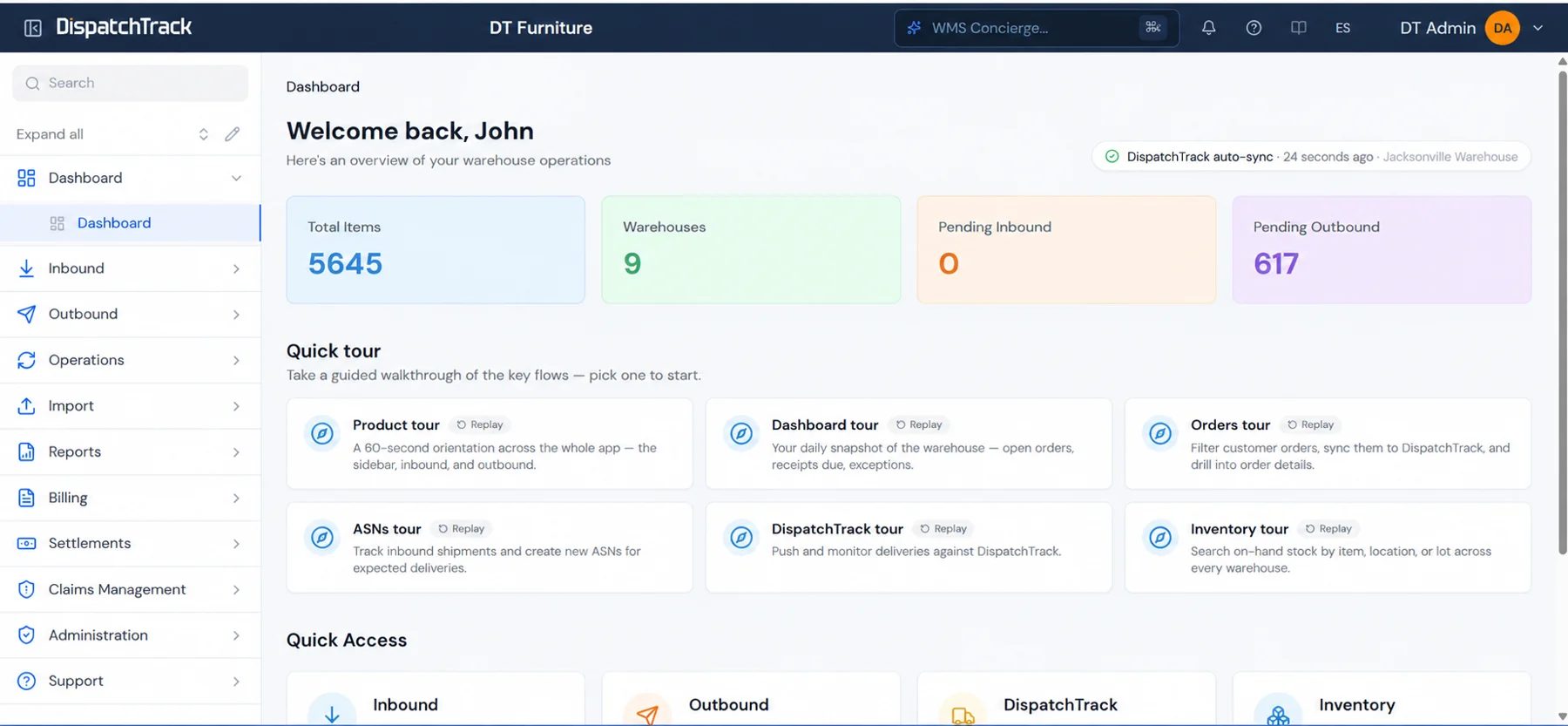
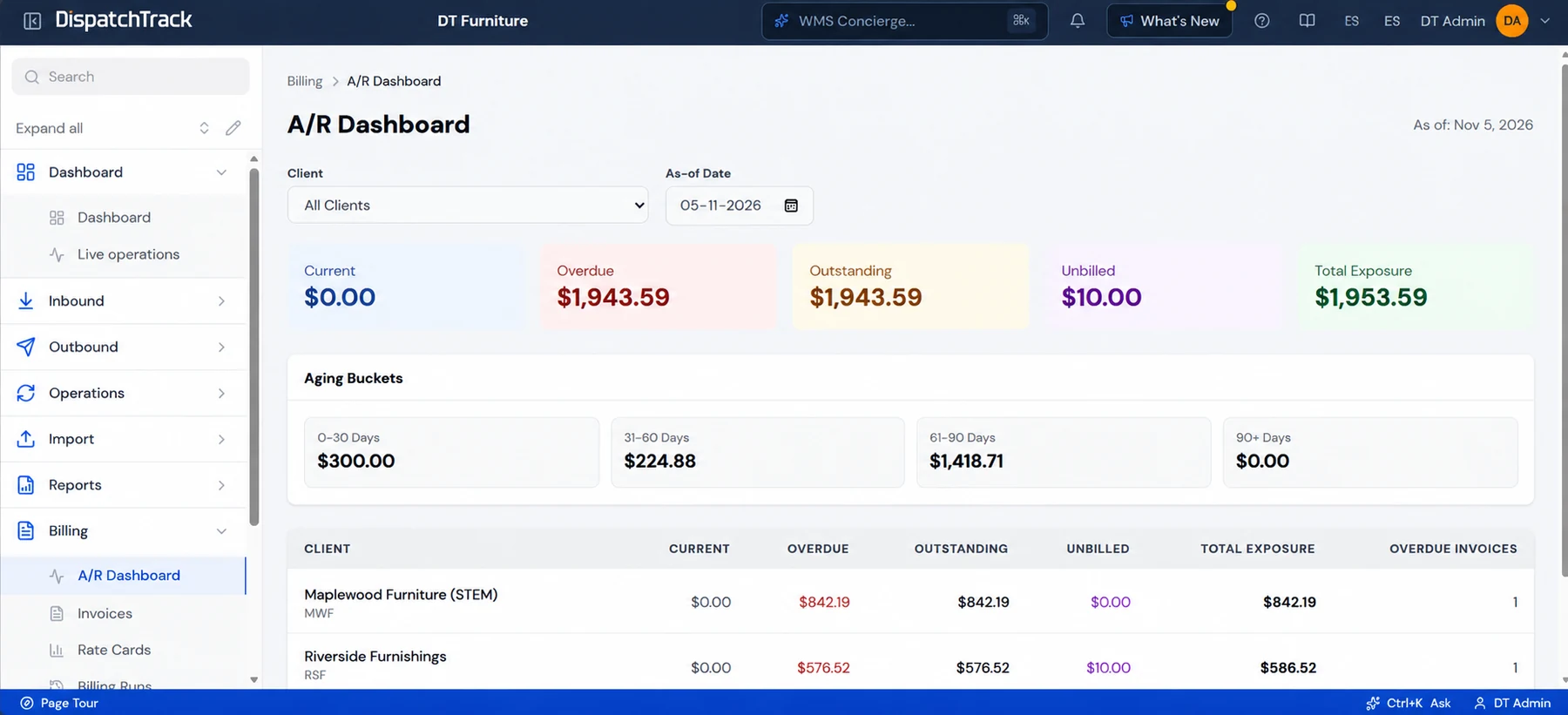
Many Clients, One Warehouse
Every client’s inventory, rules, and data, under one roof.
- Commingled inventoryShare space and labor across clients without losing visibility into client ownership or billing accuracy.
- Client data kept separateEvery record is scoped to its client, in one warehouse system.
- A portal for every clientClients see their own orders, inventory, invoices, and claims.
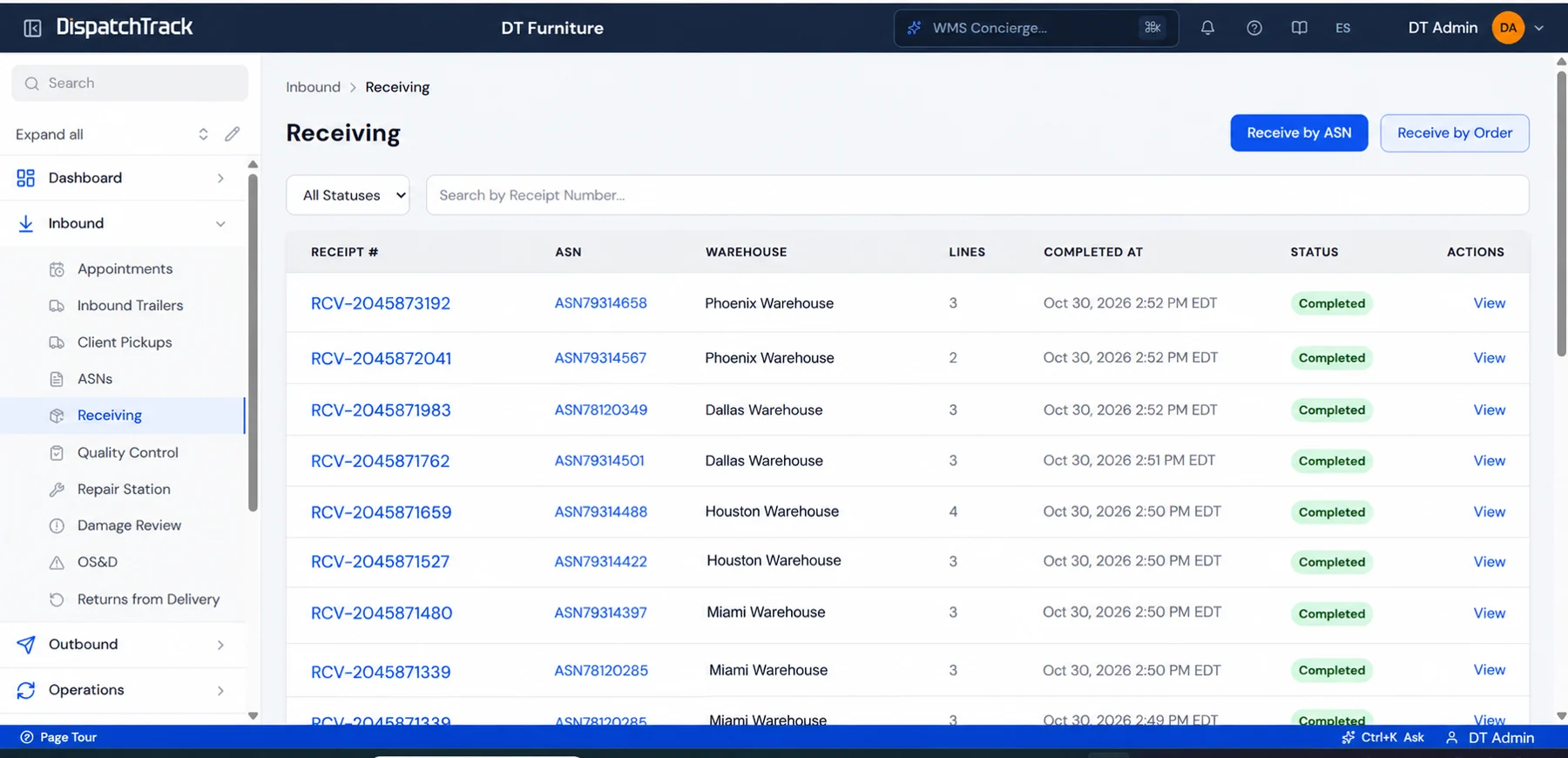
One Flow, Dock to Doorstep
The warehouse floor and the dispatch team work from the same record.
- Picked and loaded by routePick, stage, and load by route, with the last stop loaded first.
- In sync with deliveryOrders sync with DispatchTrack automatically, about every minute.
- Failed deliveries come backA failed or canceled delivery returns as a reschedule for review, with stock released.
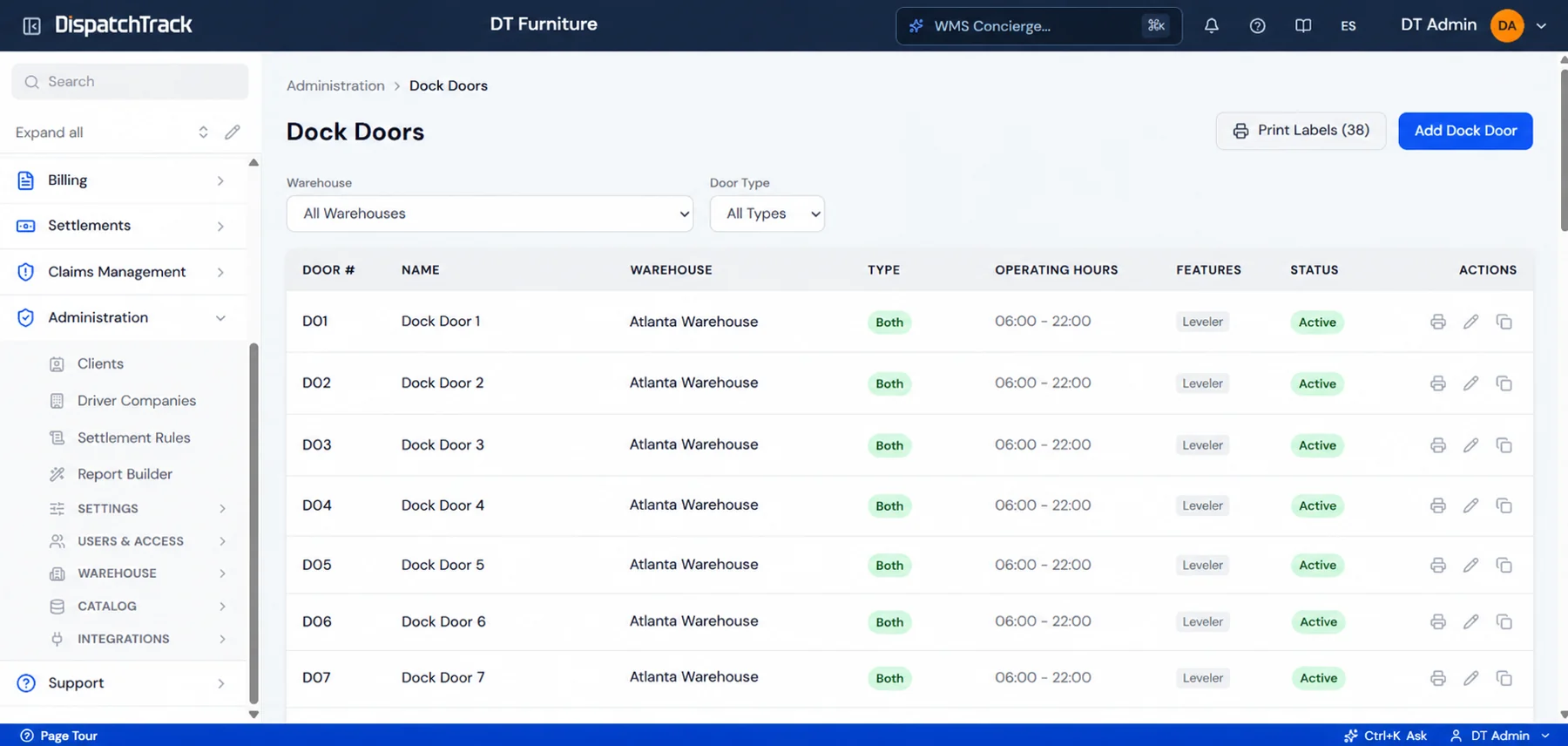
Cross-Dock Without the Detour
Freight moves from inbound to outbound, with every handoff tracked.
- Receive it any wayASNs by EDI, API, CSV, or by hand; receive by order, blind, or in bulk.
- Quality checkedQC holds with photos, then directed putaway.
- Straight throughCross-dock freight skips putaway, tracked from inbound door to outbound truck.
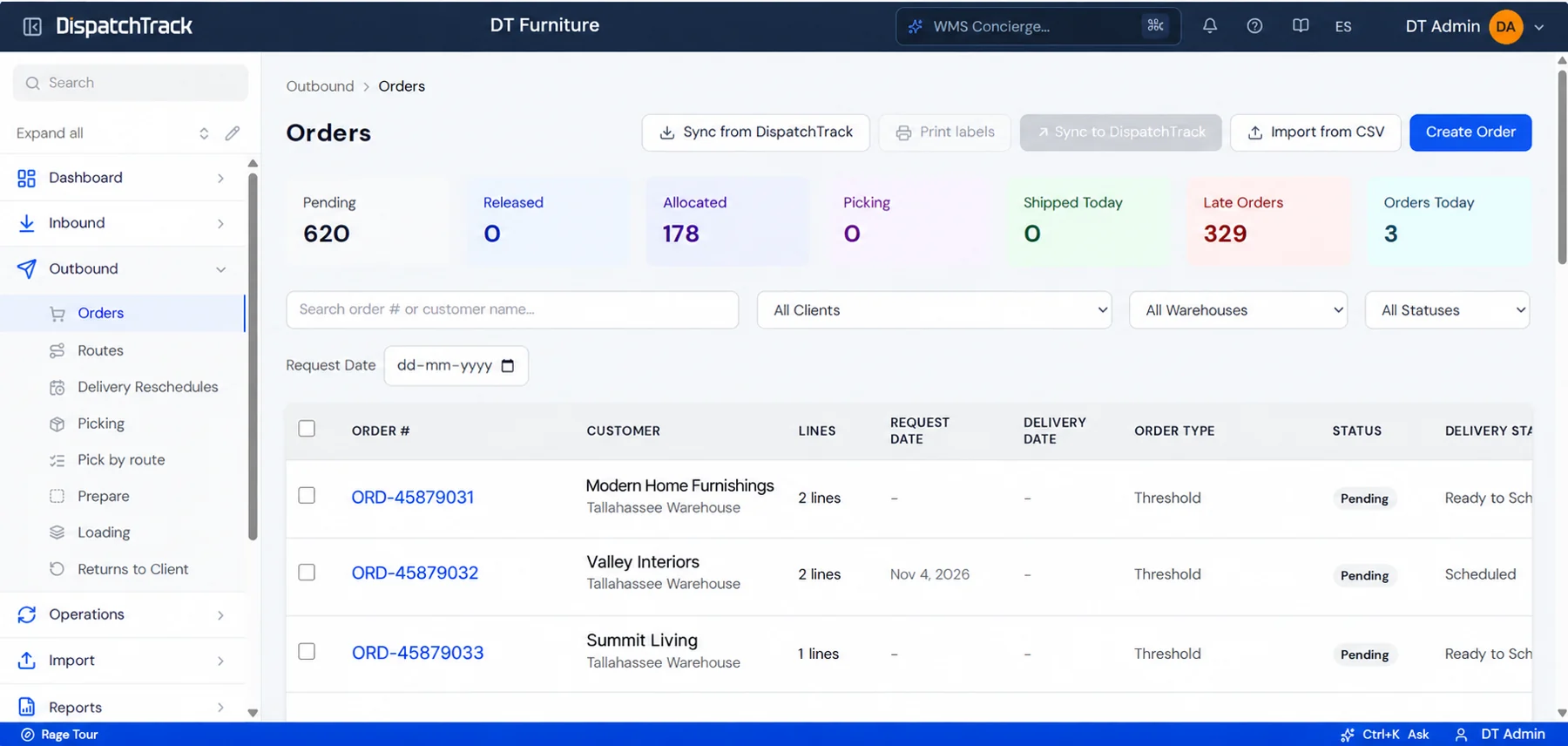
Billing That Explains Itself
Describe the contract in plain English. AI drafts the rule; you approve it.
- AI drafts, you approveDry-run every new rule against real activity before it bills a client.
- Every touch billedVersioned rate tables, branded invoices, and an invoice for each BOL where clients want one.
- Settlements on the same engineDriver and carrier pay comes from rules, like client billing.
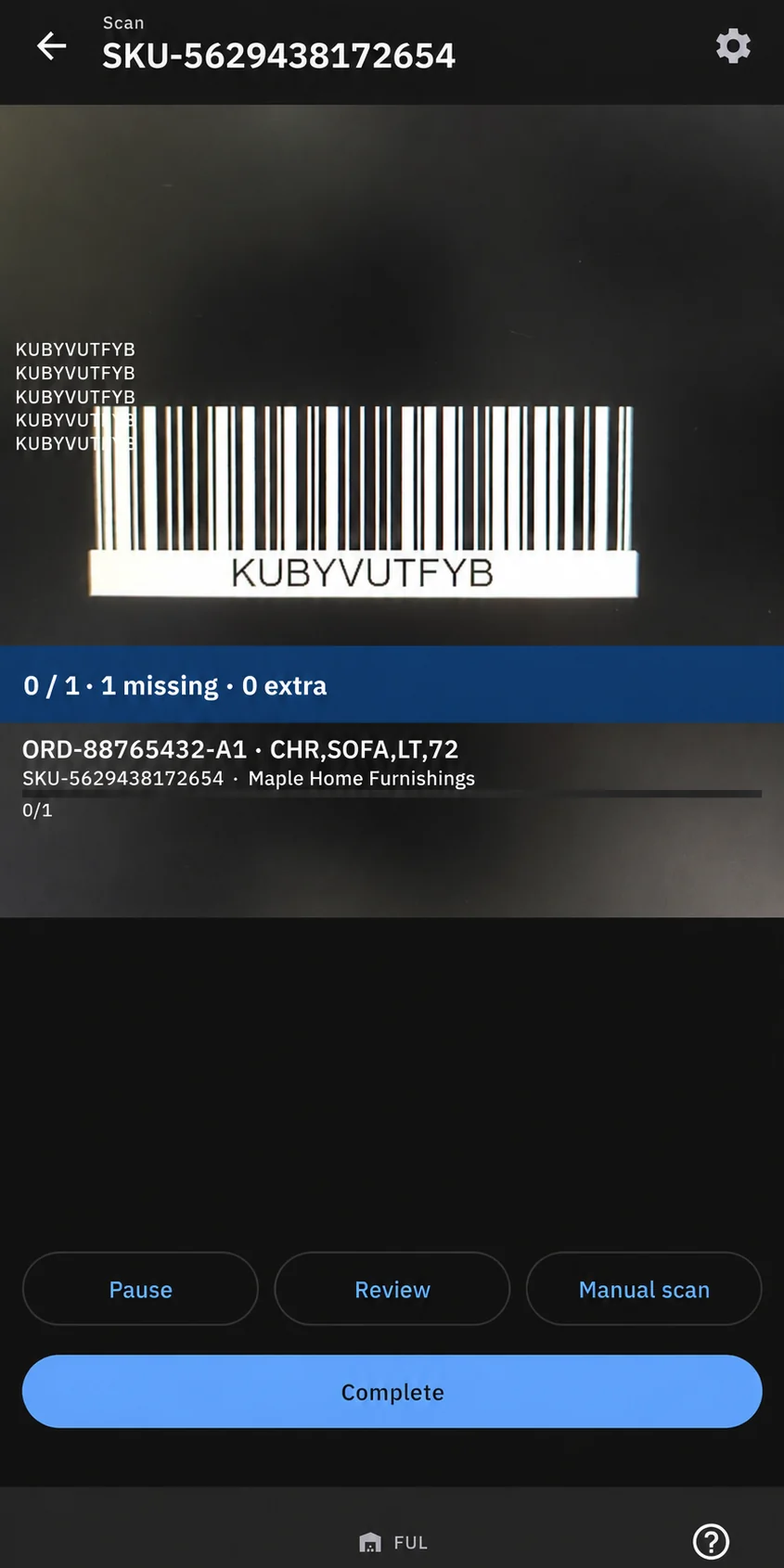
Built for the Warehouse Floor
Scan it, don’t type it.
- Native Android handheldsBarcode scanning and PIN login for receiving, picking, and loading.
- Keeps working in dead spotsThe handheld queues work offline and syncs when it reconnects.
- Bilingual functionalityWarehouse teams can use the app in English or Spanish.
For most 3PLs, the warehouse and the delivery desk run on separate systems, and the handoff between them is where orders, charges, and claims go missing.
More from our researchBuilt for 3PLs and Beyond
Inventory picked, staged, and loaded by route, in the same system as your home deliveries.
See how3PL & final-mile carriersWarehouse, delivery, billing, and settlement for every client, in one system.
See howWhat operations teams ask about DT WMS.
Does DispatchTrack have a warehouse management system?
Yes. DT WMS is DispatchTrack’s warehouse management system, built into the delivery platform and connected from receiving to delivery, billing, and settlement. It handles receiving, QC, putaway, inventory, cross-docking, picking, staging, and loading by route. See how 3PLs use it
What is DispatchTrack Warehouse and Billing Management?
DT WMS from dock to doorstep, with commingled inventory and built-in client billing and driver settlement. Describe a billing rule in plain English, and AI drafts it for your approval.
How is this different from a WMS with a delivery connector?
DT WMS was built for 3PLs and built into DispatchTrack. Every record is scoped to its client, inventory can be commingled, and cross-dock is native. Orders are picked and loaded by route and sync with delivery automatically, about every minute.
How does DT WMS connect to DispatchTrack routing and delivery?
It’s built in, so there’s no separate integration to set up. Orders sync between DT WMS and DispatchTrack about every minute. Routes come from DispatchTrack, and the warehouse picks, stages, and loads by route, with the last stop loaded first. A failed or canceled delivery comes back to the warehouse as a reschedule for review, with stock released.
Can we commingle inventory from different clients?
Yes. Clients can share space and labor, and each unit keeps its client ownership for tracking and billing.
Does it support cross-docking?
Yes. Freight moves from inbound to outbound without putaway, and the handoff is tracked end to end.
How does AI billing work?
Describe a client’s billing rule in plain English. AI drafts the rule, you dry-run it against real activity, and you approve it before it bills. Driver and carrier settlements run on the same engine.
Which integrations does it support?
EDI X12 (inbound 856 and 940; outbound 944, 945, 214, 990, and 997), REST API, SFTP, CSV, and webhooks, plus QuickBooks Online.
What do warehouse workers use?
A native Android handheld app with barcode scanning and PIN login, in English and Spanish. It queues work offline and syncs when it reconnects.
What does it take to move our warehouse onto DT WMS?
DT WMS is fast to stand up—no multi-year, multi-million-dollar implementation like many WMS solutions on the market.
Run Every Client From One Facility.
See DT WMS with your clients, your docks, and your routes.