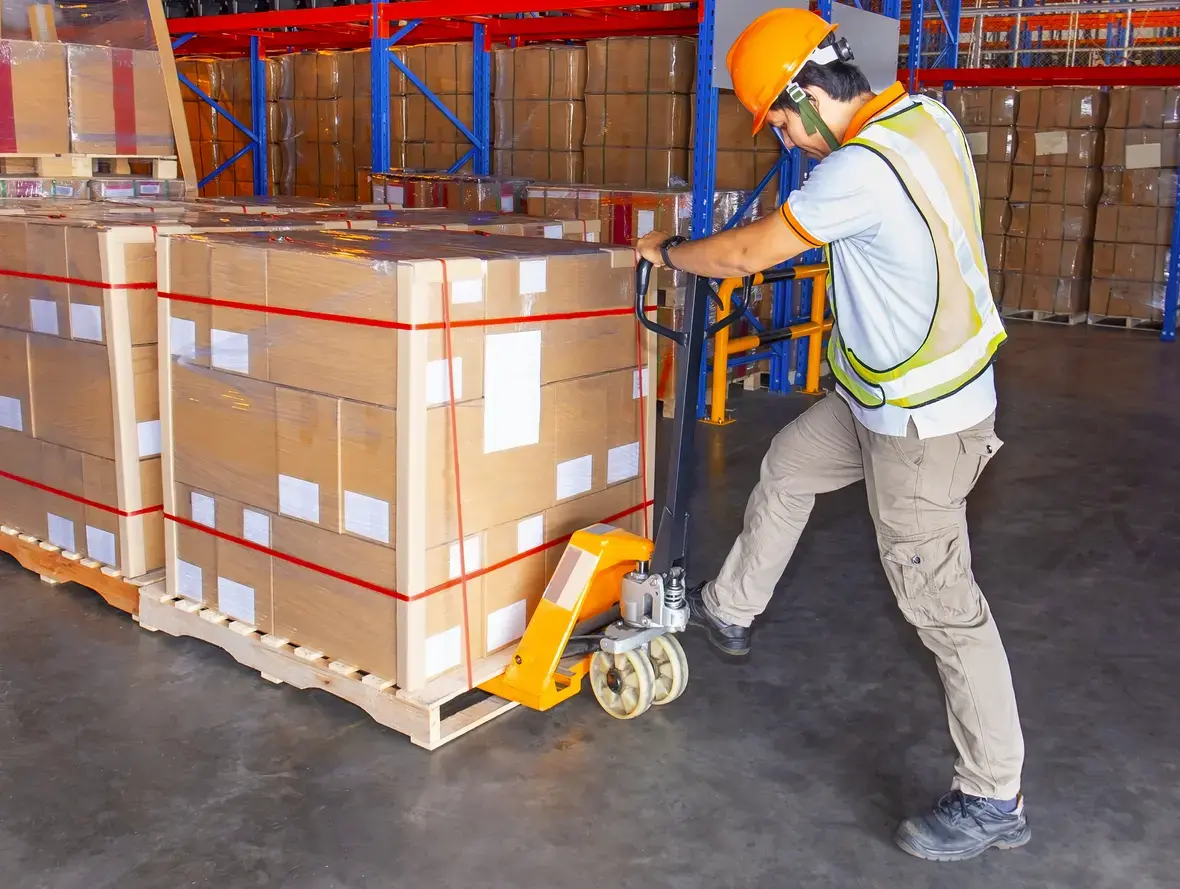
The stakes are high when it comes to job site compliance. Even products that arrive on time can wind up in the wrong place, incorrectly installed, or with the wrong signatures—resulting in lost time and long callbacks. If you’re delivering to a busy construction site with multiple teams operating, and the delivery of roofing shingles makes its way into the wrong place or gets received by the wrong person, there’s every chance that you and your drivers won’t get paid on time.
Simply put, successful delivery means delivering exactly as promised. The alternative is costly rework and low customer satisfaction. Unfortunately, many operators lack workflows for ensuring jobsite compliance. Once the drivers and technicians are on the road, they’re only armed with whatever they happen to know already—when the unexpected crops up, they’re left to their own devices.
The status quo isn’t exactly a recipe for seamless execution and happy customers. But, luckily, it doesn’t have to be this way. By examining your service compliance workflows and making some small changes to the way you empower your drivers and field teams, you can turn delivery and service execution into a competitive advantage.
Let’s dig into the how and why.
The Hidden Costs of Poor Compliance
Poor compliance isn’t a pain point that’s top of mind for many delivery operators. But it can have a significant invisible cost. And, in fact, the invisibility is part of the problem—most operators have low visibility into what’s happening once the driver gets out of the cab.
Let’s say you’ve got a driver installing a dishwasher in a residential apartment. They get to the site early in the afternoon, and a short while later the job is marked as completed. But the customer calls back as the driver is headed to the next job to say that the air gap wasn’t installed correctly, the existing dishwasher wasn’t hauled away, and their kitchen was damaged in the process.
It’s easy to blame the driver here, but there are a lot of ways that the delivery could have played out. It might simply be the case that the customer is in the right: the driver did the installation poorly, failed to haul away the old dishwasher and generally did a poor job on site.
Conversely, it might have played out in a more nuanced way: The driver installed the air gap the way they’d been taught how to do it and the customer wanted something done differently, but there was no photographic record of exactly how it was done. The old appliance wasn’t hauled away because your company charges a fee for that and the driver had no way to accept the fee and update the order on the fly. On top of that, the floor was damaged to begin with, but there was no photographic evidence of what the state of the delivery site was when the driver arrived.
Or it could easily be somewhere in the middle. Let’s say the driver didn’t know how to do the installation correctly and didn’t have any resources at hand to make it happen. They called in to dispatch to get support, but there was no way of checking to make sure they were on the same page. Without any photographic documentation, there was no way to know what had actually happened.
Whatever the underlying truth, the upshot is the same. Someone is going to have to coordinate with the customer for a driver or technician to go back to the site for rework (and to haul away the old appliance). That’s on top of the driver potentially spending extra time on site in the first place. If that goes well, you’ll get paid for the work, but you’ll have at least doubled your delivery and service costs—on top of the extra time and effort spent sorting out the situation.
When we talk about the hidden cost of poor compliance, those additional rework and coordination costs are precisely what we’re talking about.

How Can Delivery Service Compliance Workflows Save You Time and Money?
The right technology-driven workflows can turn driver compliance into a competitive advantage and a huge money-saver. With small changes to how your drivers go about their existing delivery and service workflows, you boost compliance and decrease rework significantly.
This can start with something quite simple: configurable forms for different SKUs or delivery types that prompt drivers to confirm specific installation steps and take pictures of the job site and their work as they go through the process. This creates a much more robust record of what’s actually being delivered, which can help you get paid more quickly and consistently.
This sort of workflow can help you document delivery and service compliance, but it can also help guide drivers and technicians through more in-depth processes. Here, you can walk drivers through every step of the process with branching logic to make sure they’re providing exactly what was promised to the customers.
Simple workflow improvements like these can cut rework by more than 50%, saving a huge amount of time and money across the board. The key is to make sure the service and compliance process slots seamlessly into their existing processes. That means that on the backend, it’s important to ensure that they instantly see the right forms at the right time as soon as they open their mobile app at a job site.
4 Best Practices for Elevating On-Site Execution
What we’ve been circling around over the course of this article is the importance of on-site execution when it comes to last mile delivery and service. Not only does improving your on-site execution capabilities boost customer satisfaction, it saves you time and money by reducing rework, customer coordination, and excess time on site.
We’ve seen how improving your compliance workflows within the driver or technician’s mobile application can help make that happen—but let’s drill down a little further into some of the best practices for making that happen:
- Configure your service and compliance forms at the level of individual SKUs, product types, customers, or job types. This helps ensure that the driver or technicians has specific, highly-relevant guidance at each stop.
- Use step logic to walk drivers through more complex processes. Instead of a long string of fields to fill out, this helps take the driver through the journey and steer them towards the most relevant steps.
- Ensure visibility across the board. That means that the completed forms should be instantly available to dispatchers, managers, customer service reps, and even customers if needed. This isn’t just a matter of collecting the data, it’s a matter of making it intuitively accessible when needed.
- Don’t interrupt the driver’s normal workflows. Drivers should be able to use their mobile apps in an intuitive way and walk through the right workflow without any extra effort on their part. This helps minimize time on site, which in turn reduces costs.
Conclusion: The First Step Towards Execution Excellence
The first step towards execution excellence is partnering with a technology provider that makes it easy to prioritize service and compliance within the driver mobile app. When you and your drivers have the right tools for the job, compliance becomes second nature and your last mile delivery and service performance improves instantaneously.
Interested in learning more about what that looks like in practice? Get in touch with our team today—we’d love to walk you through it.